
why do waiting rooms look the same everywhere?
How waiting rooms reveal the invisible mechanics of time, power, and culture.

about the new series
With this edition, I’m launching a new recurring series called the work behind the world, where I explore the hidden cultural mechanics shaping everyday life—the infrastructures, rituals, symbols, and systems we move through without noticing.
Each issue will decode one familiar phenomenon, reveal the invisible logic behind it, and offer strategic insight into its implications for culture, organisations, design, and behaviour. These pieces will remain free for everyone.
If you’d like to go deeper, paid subscribers will receive extended editions that unpack the strategic implications: organisational semiotics, category shifts, cultural codes, future scenarios, and the mechanics behind how meaning is constructed and contested.
If you find value in this lens — and want to access the deeper mapping and analysis — I’d love for you to join as a paid subscriber.
Your support helps me continue producing this work with the depth and independence it requires. Paid editions offer extended analysis, frameworks, and cultural foresight that build on the ideas introduced in each free piece.
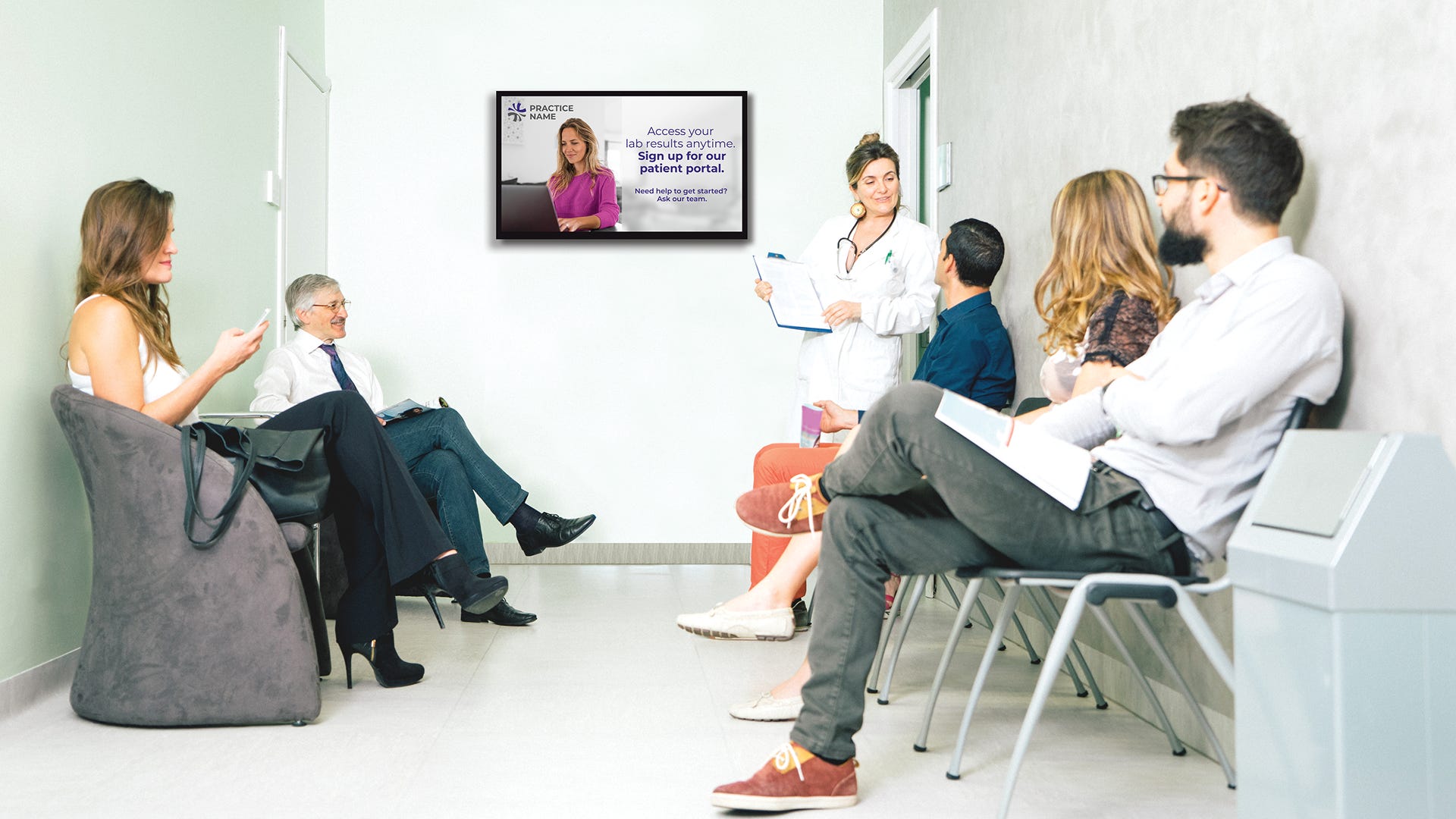
Think about the last waiting room you sat in.
A hospital, a bank, an embassy, a clinic, a government building.
Different institutions, different purposes—yet the same room.
Beige or pale colours.
Stacked plastic chairs.
A television is playing something neutral.
A clock.
Old magazines.
A screen or counter somewhere near the front.
A faint smell of disinfectant or paper.
It’s as if they were all designed by a single invisible architect.
This isn’t a coincidence.
It’s cultural mechanics.
the hidden architecture of the waiting room
Waiting rooms are not designed for comfort—they’re designed for compliance and processing.
Their architecture encodes a set of unspoken cultural principles:
1. standardisation
Uniformity signals fairness and order.
The room tells you: “Everyone is treated the same here.”
2. neutrality
Neutral colours, materials, and content minimise emotional intensity.
3. hierarchy
Rows of chairs → the counter → the back offices.
The room choreographs movement and signals authority.
4. time discipline
Everyone is temporarily bound to the same constraint: waiting.
5. liminality
A waiting room is a threshold—a place between problem and solution.
These are cultural values expressed through architecture.
They feel mundane because they operate beneath awareness.
semiotic structure: what waiting rooms mean
Waiting rooms symbolise:
uncertainty
vulnerability
process
evaluation
redistribution of control
They communicate all of this without language.
Every chair, wall, sign, and rule forms part of a semiotic system that stabilises behaviour:
“You are here to be processed. Follow the structure.”
This system is so effective that it has been replicated globally.
Even across cultures, the semiotic function overrides local aesthetic preferences.
why this matters now
Waiting rooms reveal something essential:
Design doesn’t reflect culture—it produces it.
And today, waiting room logic is embedded everywhere:
digital platforms
customer interfaces
brand environments
onboarding flows
appointment systems
queueing software
service portals
bureaucratic touchpoints
Neutrality, pacing, hierarchy, and emotional management all happen in these spaces.
But there is a deeper dimension.
Waiting room structures quietly shape organisational culture
These spaces—physical or digital—are internalisation mechanisms.
They teach people how a system works before they even “enter” it.
They encode:
How the organisation perceives time
How it distributes power
How it handles urgency and vulnerability
How it choreographs expectation
How it expresses authority
How it manages uncertainty
How it communicates its values
Waiting rooms influence:
employees
candidates
customers
patients
clients
partners
stakeholders
These spaces quietly communicate:
“This is who we are. This is how things work here.”
They become cultural primers—moments when people absorb codes, rituals, and hierarchies.
When we analyse waiting rooms, we aren’t studying interiors.
We are studying organisational semiotics in its purest form.
implications for strategy, design, and innovation
✦ emotions are structured, not incidental
Frustration, anxiety, or calmness are designed responses.
✦ safety is semiotic
Architecture communicates emotional intention.
✦ hierarchy can be reimagined
Authority can be softened, shared, or redistributed.
✦ thresholds matter
Every product or service has a “waiting room moment.”
Its design shifts perception.
closing reflection
The world is full of invisible architectures that guide how we behave, decide, and relate to one another. Waiting rooms are one of the clearest examples—quiet orchestrations of power, time, and emotion.
When we learn to recognise these systems, we begin to understand the work behind the world.
Friend referrals are also a way to gain a paid subscription. If three of your referred friends subscribe to Code Uncovered, you get a month's paid membership for free.