
🌍 The True Meaning of Migration Speak
How political language turns human movement into fear, crisis, or control.

🌟 Introduction
Migration is one of humanity’s oldest realities, and the passports that limit worldwide migration were imposed globally after World War I. Yet in modern discourse, it is rarely framed as continuity, resilience, or exchange. Instead, it is recoded as a problem—a crisis, a burden, or even an invasion.
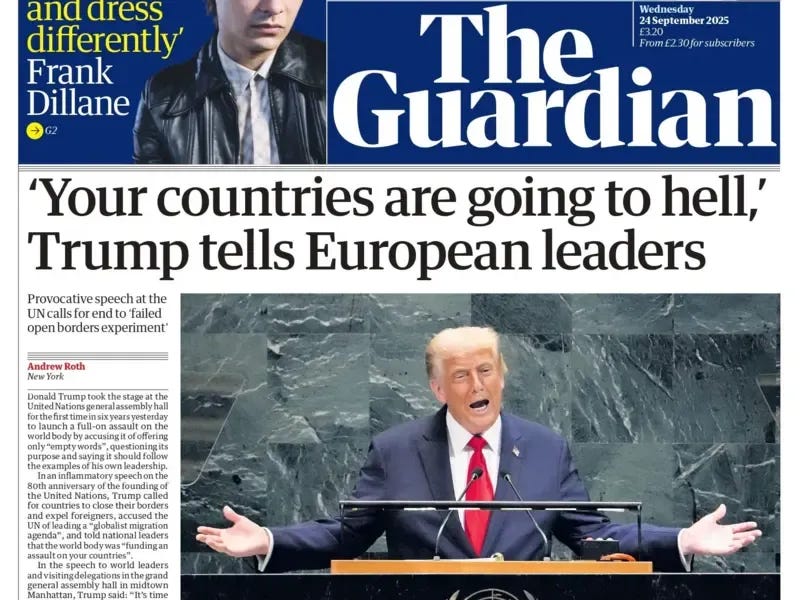
At the UN, Donald Trump declared, “The future does not belong to globalists. The future belongs to patriots. The free world must embrace its national foundations. It must not attempt to erase them or replace them.” In this framing, migration becomes a threat to sovereignty and identity, rather than a fact of human life.
This edition of the True Meaning Series unpacks the semiotics of "Migration Speak:” what is said, what it means, and how it reshapes global narratives.
🔍 What It Says vs. What It Means
🛂 Illegal aliens
What it says: People outside the law.What it means: It strips humanity, reducing individuals to a status.
🌊 Invasion
What it says: Borders under attack.What it means: Migrants are recoded as enemies, not neighbours.
💭 Dreamers
What it says: Celebrating ambition and hope.What it means: Selective compassion; others excluded from sympathy.
📉 Refugee Crisis
What it says: Humanitarian emergency.What it means: Burden shifted onto host nations, while systemic causes (war, inequality, climate) vanish from the frame.
🏛️ The Semiotics of Migration Speak
🍊 Trump’s speech at the UN
“Wise leaders always put the good of their own people and their own country first. The future does not belong to those who erase borders.” → Sovereignty framed as protection against migrants.
🌊 Metaphors of Floods & Waves
Migrant movements are symbolised as natural disasters → implying inevitability and loss of control.
😇 Good vs. 👿 Bad Migrant
Brain drain celebrated, asylum seekers vilified. Hierarchies of worth embedded in language.
Host vs. Guest Codes
Locals are framed as owners, while migrants are portrayed as perpetual outsiders—even when they have been in that country for generations.
⚡ The Impact of Migration Speak
📌 Fueling Xenophobia
Metaphors of invasion and threat heighten fear, legitimising populist politics.
📌 Policy Shaped by Fear
Restrictive laws and militarised borders are justified through crisis rhetoric.
📌 Masking Dependency
Migrant labour underpins many economies, yet the discourse often portrays them as drains.
📌 Cultural Erosion Narratives
Migration is often portrayed as a form of identity loss, thereby obscuring the histories of cultural blending.
📌 Expats vs. Migrants
Language reserves prestige for the privileged and stigma for the vulnerable.
💡 Actionable Insights
🗣️ Challenge Disaster Metaphors → Replace “waves” and “floods” with terms that reflect agency and humanity.
📚 Reframe Migration as Continuity → Remind audiences that movement is a constant of human history, not a rupture.
🤝 Highlight Reciprocity → Showcase contributions of migrants, not only their “needs.”
🎯 Disrupt Hierarchies of Labels → Question why “expat” is aspirational while “migrant” is stigmatised.
🎤 Conclusion
Migration is life. Movement has always defined humanity. However, Migration Speak too often weaponises language to frame people on the move as threats, victims, or burdens.
As Trump’s UN rhetoric shows, words about migration are rarely neutral—they construct identities, justify exclusions, and fuel fear. To reclaim a more genuine meaning, we must decode the language, challenge the metaphors, and tell stories that restore agency and dignity.
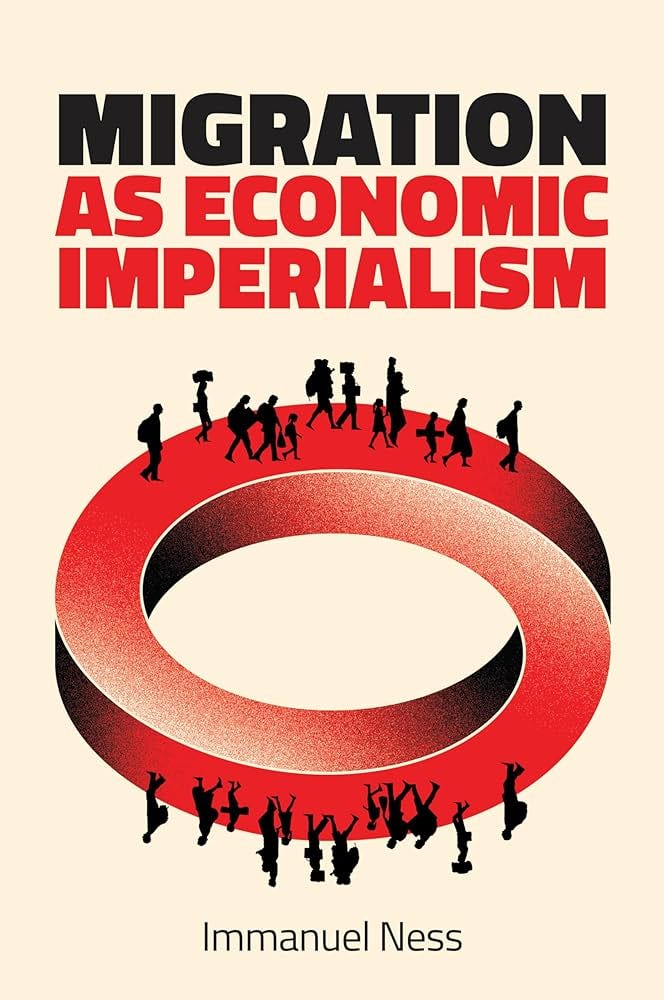
Here are some factual information about the economic impact of migration:
🚀 If you enjoyed this edition of the True Meaning Series, consider becoming a paid subscriber. Together, we can challenge the narratives shaping how we see the world.